Accounting Software for Real Estate Developers (2026 Buyer’s Guide)
Compare the best accounting software for real estate developers in 2025. See how modern, automated tools help manage projects, track expenses, and generate real-time financial reports.
Temitope Ayegbusi

Managing finances in real estate development is rarely straightforward. Between multiple projects, contractor payments, loan drawdowns, and investor reporting, developers often find themselves stitching together spreadsheets, bank exports, and accounting software that was never designed for how real estate actually works.
Many developers start with general-purpose accounting tools because they’re familiar. Over time, those tools become harder to manage , expenses need constant manual categorization, project-level profitability is difficult to track, and getting a clear, real-time view of cash flow across properties becomes a challenge.
This guide is designed to help real estate developers choose the right accounting software based on how their business actually operates. We’ll walk through what to look for, compare the most relevant options and explain how modern, automated tools are changing the way developers manage their finances so you can make a confident, informed decision.
How to Evaluate Accounting Software for Real Estate Development
Not all accounting software is built for the complexity of real estate development. Before choosing a tool, it’s important to understand the specific requirements your business has and how well different platforms support them.
Here are the key criteria real estate developers should use when evaluating accounting software:
1. Project-Level Financial Visibility
Real estate developers need to see financial performance per project, not just at the business level. This includes the ability to track income, expenses, and profitability for each development or property without relying on manual spreadsheets.
If software cannot clearly show how each project is performing, it becomes difficult to make timely decisions or communicate accurately with partners and investors.
2. Automated Transaction Categorization
Manual categorization is one of the biggest time drains in real estate accounting. Payments to contractors, material purchases, professional fees, and financing-related transactions quickly add up.
Modern accounting tools should reduce manual work by automatically categorizing transactions based on past behavior and patterns, helping ensure consistency and accuracy without constant oversight.
3. Real-Time Cash Flow and Reporting
In real estate development, cash flow timing is just as important as total profitability. Delayed or outdated reports make it harder to manage drawdowns, pay contractors on time, or plan the next phase of a project.
Look for software that provides real-time dashboards and up-to-date financial reports, so you can understand your position at any moment , not weeks after the fact.
4. Ease of Use for Non-Accountants
Many real estate developers are not accountants, and they shouldn’t need to be. Overly complex accounting systems increase the risk of errors and slow down decision-making.
The right tool should make financial information easy to understand, even for users without deep accounting knowledge, while still producing accurate, accountant-ready reports.
5. Scalability as Projects Grow
What works for one or two projects often breaks down as a portfolio expands. As you take on more developments, accounting software should scale without requiring major reconfiguration or additional manual processes.
This includes handling higher transaction volumes, multiple bank accounts, and more complex reporting needs without adding operational friction.
6. Investor- and Lender-Ready Reporting
Real estate developers frequently need to share financial information with investors, lenders, or partners. Software should generate clear, professional reports that align with what these stakeholders expect to see.
Having accurate, well-structured reports readily available reduces friction during funding discussions and builds confidence with external stakeholders.
Why These Criteria Matter
Choosing accounting software based on features alone often leads to frustration. Evaluating tools against these real-world requirements helps ensure the software supports your workflow, instead of forcing you to adapt your business around the software.
What Modern Accounting Software Looks Like for Real Estate Developers
In recent years, accounting software has shifted away from manual data entry and spreadsheet-heavy workflows. The best modern tools focus on reducing friction, improving clarity, and giving developers faster access to meaningful financial insights.
Modern accounting platforms typically offer:
- Automated transaction processing
- Real-time financial reporting
- Project-level visibility without spreadsheets
- Clear dashboards designed for business owners, not accountants
These tools don’t replace sound accounting principles — they make them easier to apply consistently and at scale.
Best Accounting Software for Real Estate Developers
Below are the most relevant accounting software options for real estate developers today, based on usability, automation, and suitability for real-world development workflows.
1. Adam by Tyms (AI-Native Accounting Software)
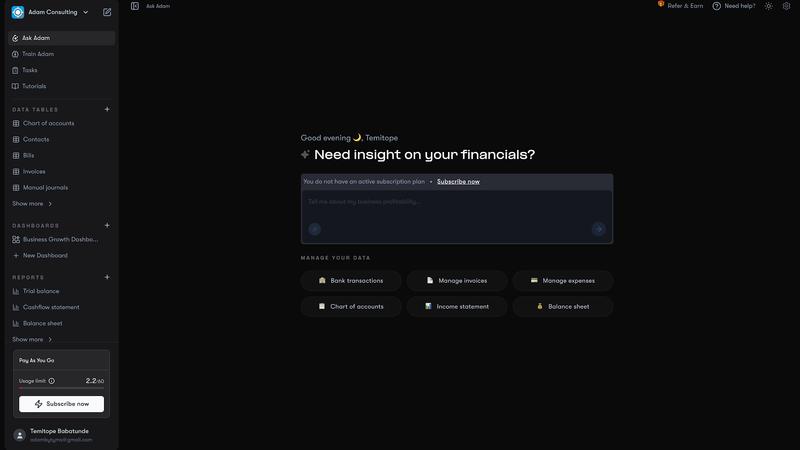
1. Adam by Tyms — Automated Accounting Software
Adam by Tyms is designed for entrepreneurs and operators who want clear financial visibility without spending hours managing bookkeeping tasks. It’s particularly well-suited to real estate developers who manage multiple projects and need fast, reliable reporting.
Rather than relying on manual categorization and templates, Adam focuses on automation-first accounting, helping developers understand their finances as transactions occur.
Why Developers Choose Adam
- Automated transaction categorization: Contractor payments, materials, utilities, commissions, and professional fees are categorized automatically, reducing manual work.
- Project-ready reporting: Generate profit & loss statements, balance sheets, and cash flow reports without building spreadsheets.
- Real-time financial clarity: Dashboards update continuously, giving a live view of business performance across projects.
- Built for non-accountants: The platform is intuitive and easy to use, while still producing accountant-ready outputs.
For developers who want to spend less time reconciling transactions and more time managing projects and deals, Adam removes much of the operational friction associated with traditional bookkeeping.
Adam is best suited for:
- Small to mid-sized real estate developers
- Property managers managing multiple properties
- Teams that want automation without complexity
What Makes Use Adam different ?
One of Adam’s most powerful features is its AI-powered auto-categorization , which is designed to help real estate developers eliminate manual data entry and instantly understand where every dollar goes.
Here’s how it works:
- Create Your Account: Sign up for free on Adam by Tyms
- Connect Your Bank or Upload a Statement:
- You can either link your US business bank account, or
- Upload your bank statement (PDF, CSV, or Excel) directly.
- Prompt Adam for Categorization: Enter a simple instruction like: “Categorize my bank statement for property development expenses” .
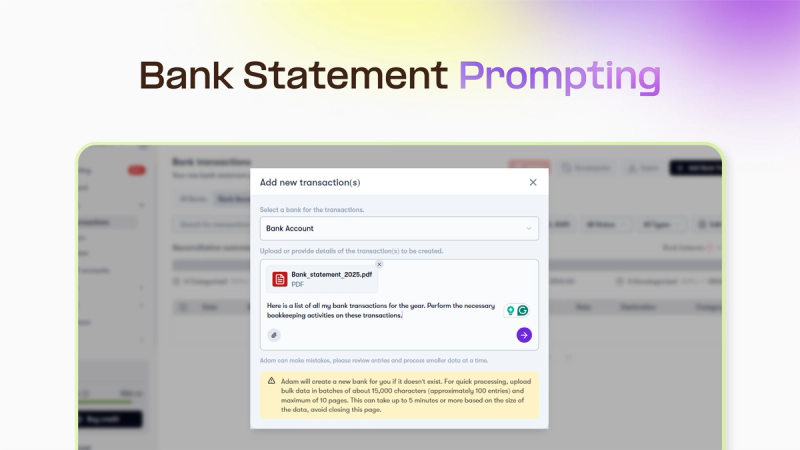
- Wait a few seconds for categorization
Within moments, your transactions appear neatly categorized by type, vendor, and project.
2. Tyms (Comprehensive Business Accounting Platform)
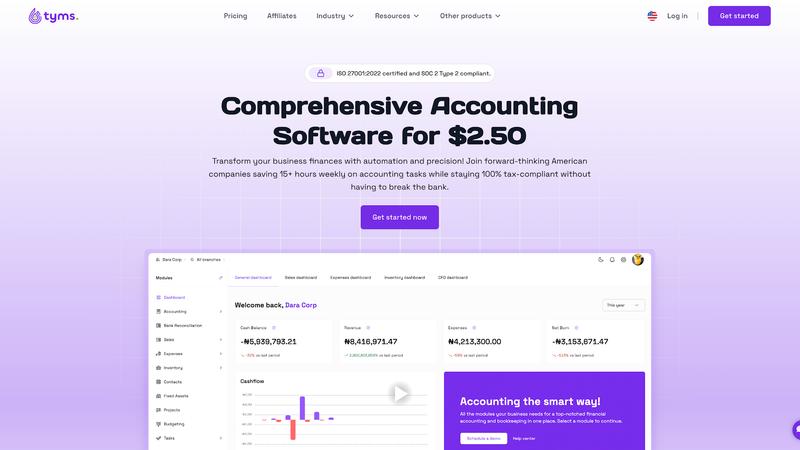
Tyms is a broader accounting and financial management platform designed for businesses that require more comprehensive functionality.
It includes tools for:
- Bookkeeping and reporting
- Invoicing and payments
- Payroll and expense management
Tyms works well for developers who are scaling operations and want an all-in-one financial platform that supports more advanced workflows over time.
3. QuickBooks
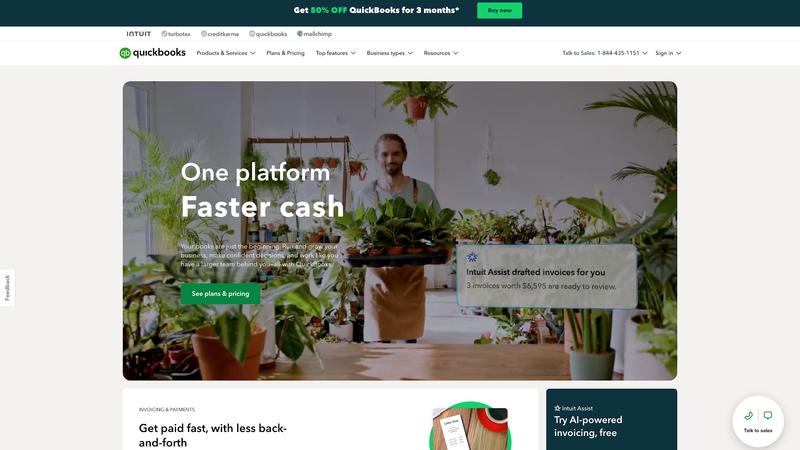
QuickBooks remains a viable option for developers who already have accounting support or are comfortable managing complex setups. However, compared to modern automated tools, it often requires more hands-on effort to maintain accuracy and clarity.
4. Zoho Books / FreshBooks (Lightweight Alternatives)
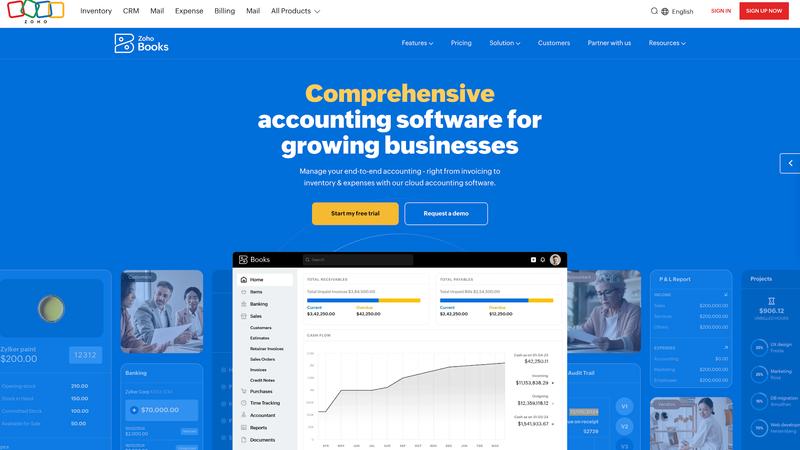
These are good options for freelancers or very small property managers.
They’re affordable but lack the AI automation and deep categorization features that real estate developers need.
Key Features to Prioritize When Choosing Accounting Software
When evaluating options, real estate developers should prioritize:
- Automated expense categorization
- Bank and credit card syncing
- Real-time financial dashboards
- Easy profit & loss and balance sheet generation
- Ability to scale as projects increase
Choosing software based on these fundamentals ensures long-term usability and reduces the need for constant workarounds.
While traditional tools like QuickBooks remain popular, many developers are moving toward automated, developer-friendly platforms that reduce manual work and provide faster insight into financial performance.
If your goal is to gain clear visibility into your projects, minimize bookkeeping overhead, and produce reliable financial reports without friction, modern accounting tools like Adam by Tyms offer a practical, scalable alternative.
You can also read:

How to Catch Up on Bookkeeping (Without Hiring an Expensive Service)
Many small businesses search for catch up bookkeeping software when they want to fix overdue records without hiring a service.
Temitope Ayegbusi
Jan 14, 2026

QuickBooks Pricing 2025: Full Breakdown and a Better Alternative That Saves You Hours
If you’re still comparing options or want to understand QuickBooks pricing in 2025, see our full breakdown of QuickBooks pricing and alternatives
Temitope Ayegbusi
Dec 15, 2025